Skip to content

Analytics and ad measurement? We never record what you type. Privacy

Jaw comfort · Los Gatos

TMJ & Jaw Pain Evaluation in Los Gatos

Jaw pain, clenching, or painful clicking? Dr. Tim J. Chuang listens to your concerns, evaluates your symptoms, and discusses conservative care or referral when appropriate.
Mon–Thu, 9 AM–5 PM15251 National Ave, Suite 102
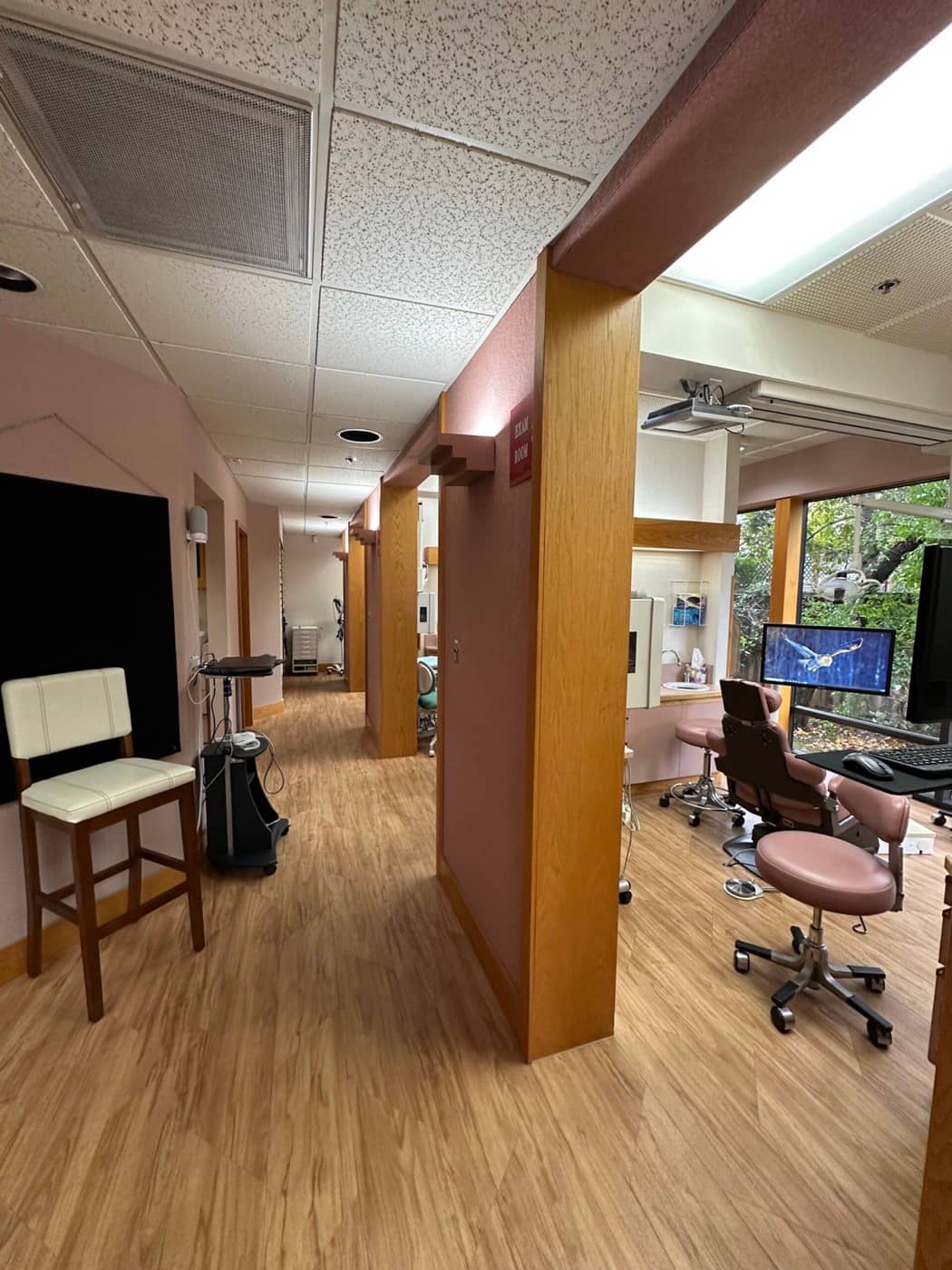
The hallway of bright treatment rooms
Blankets & pillow supportTVs in treatment rooms

The jaw joint, explained

Understanding TMJ

The temporomandibular joint, commonly referred to as TMJ, is one of the most complex joints in the human body. Located on both sides of your jaw, it connects your jawbone to your skull and allows for essential functions like chewing, speaking, and even smiling.

TMD describes disorders affecting the jaw joints or chewing muscles. Symptoms can include pain, stiffness, locking, or difficulty chewing. Clicking without pain is common and often does not need treatment. A dental evaluation helps distinguish these concerns from other causes of facial pain.

Common TMJ Symptoms

Tap any that sound familiar.

Jaw pain, headaches, and clicking can have several causes. An exam is the best way to find out what is going on.

Your first visit

What to Expect During Your TMJ Consultation

Your first step toward finding relief is scheduling a consultation with Dr. Tim Chuang at Family First Smile Care.

  1. Step 1: A thorough assessment

    We conduct a comprehensive evaluation of your jaw function and symptoms.
  2. Step 2: Imaging, when useful

    The dentist may recommend imaging when it is useful for evaluating jaw structures.
  3. Step 3: Your personalized plan

    We develop a treatment plan tailored specifically to your needs and symptoms.

Ways we can help

How TMJ Treatment in Los Gatos Can Help

Living with the discomfort and pain caused by TMJ issues can be overwhelming, but effective treatment options are available. At Family First Smile Care, we take a personalized approach to address your specific symptoms and needs.

A TMJ patient’s story

“It has been such a pleasure meeting Dr. Chuang and getting an actual treatment plan to help with my TMJ. He constructed a custom dental orthotic for me to wear at night and also taught me some simple massages and exercises to help with my pain. After being given the run around and negligent care from other dentists and health professionals for years, it is truly a relief to find a caring professional who is so knowledgeable about TMJ!”

Paula GregoireTMJ patient · Google review
Night guard patient
“I recommend Family First Smile Care for anyone's dental needs. Dr. Chuang and his staff are very friendly and were quick to respond to my dental issues providing referrals to additional specialists. The practice used modern equipment to have a 3D printed night guard made to help with my TMJ issue.”
Jon TakagiGoogle review
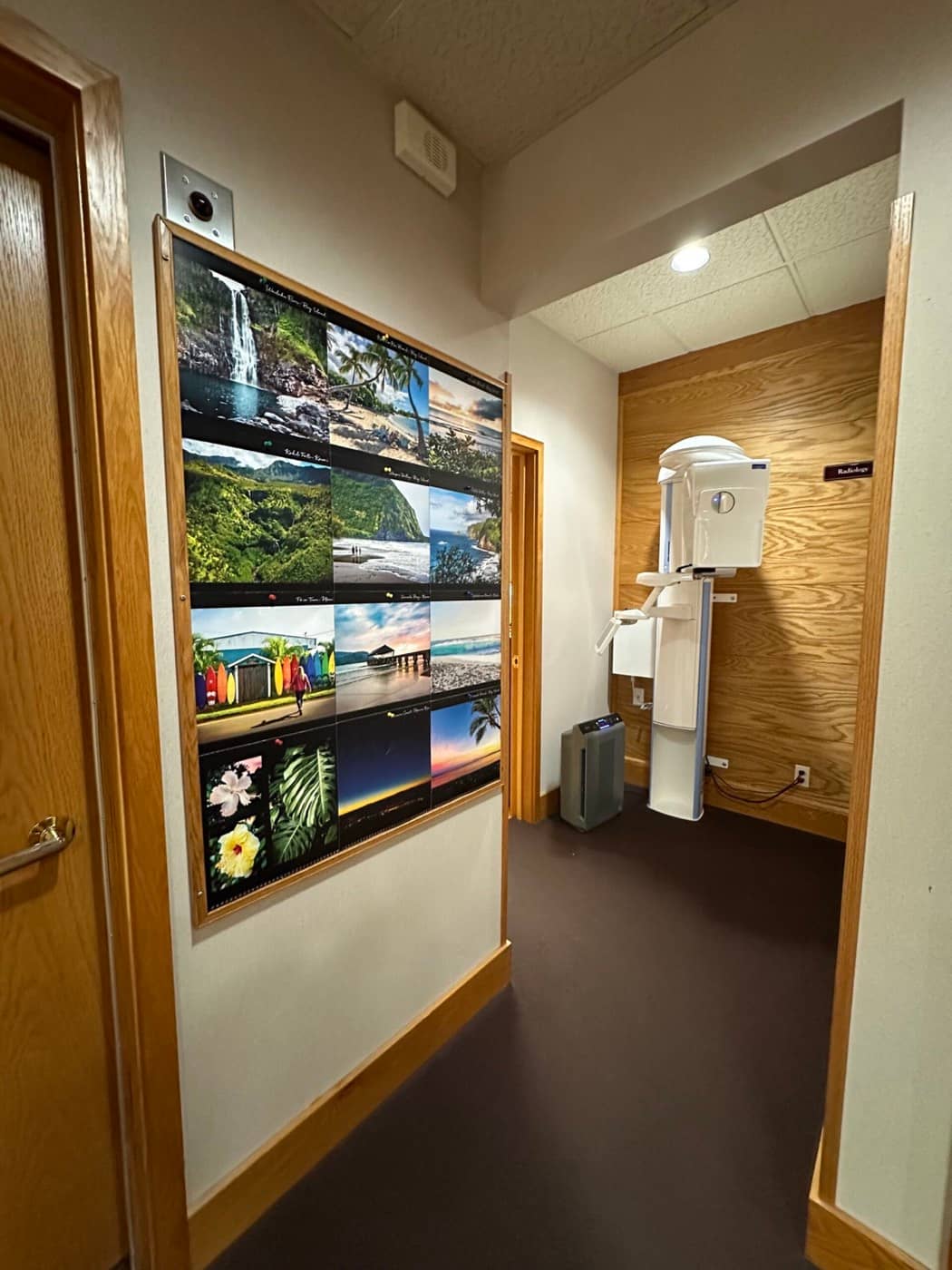
The imaging alcove beside a wall of Hawaii photos
Panoramic imaging

Why families choose us

Why Choose Family First Smile Care for TMJ Treatment?

At Family First Smile Care in Los Gatos, we pride ourselves on providing high-quality, patient-centered care in a comfortable and modern setting.

Advanced Technology

  • Digital records and imaging when clinically appropriate
  • Digital X-rays for precise diagnosis
  • Intraoral scanner technology
  • Panoramic imaging capabilities

Patient Comfort

  • Soft blankets and pillow support
  • TVs in treatment rooms
  • Call ahead so we can discuss mobility or accessibility needs
  • Ask about treatment costs and payment options

Plan your visit

Deciding on tmj evaluation

Plain answers to help you prepare your questions before you visit.

When it may help

Persistent jaw pain, painful clicking, locking, or difficulty chewing can be reasons to arrange an evaluation. TMJ names the jaw joint; TMD refers to disorders involving the joint or chewing muscles. A painless click alone often does not need treatment.

Options to discuss

Many TMD symptoms improve with conservative care. Depending on your examination, discussion may include habits, guided exercises, a protective appliance, or referral. Treatments that permanently change teeth or the bite should not be presented as a routine cure for TMD.

What to expect

Describe when symptoms started, what makes them better or worse, and any previous care. Bring an existing guard or appliance. Dr. Chuang evaluates your symptoms and jaw function, discusses whether imaging is useful, and explains next steps or an appropriate referral.

Preparing for your first visit

What affects the cost?

  1. The examination and any imaging recommended for your situation
  2. Whether an appliance, follow-up, or another provider's evaluation is needed
  3. Whether your specific dental or medical plan offers applicable benefits
Questions about an estimate or your plan

Care and follow-up

Follow the instructions for any recommended appliance or exercises. Contact the team if symptoms worsen or an appliance causes pain or changes the way your teeth fit together. Follow-up depends on the findings and care plan.

Common questions

Can a night guard cure TMJ problems?

A guard can help protect teeth from grinding, but it does not guarantee relief from TMD or stop grinding. The examination helps determine whether an appliance or another approach is appropriate.

Do I need braces or crowns to treat jaw pain?

Jaw pain needs an evaluation before treatment is chosen. NIDCR reports insufficient evidence that treatments changing teeth or the bite treat TMD, and some may worsen symptoms. Discuss conservative options and referral when appropriate.

What if I need a TMJ specialist?

Dr. Chuang is a general dentist. Ask whether your findings would benefit from an orofacial pain specialist or another clinician, and what a referral would involve.

How much is a TMJ consultation?

Call the office for the current evaluation fee and ask what it includes. Any imaging, appliance, or further treatment should be discussed separately. Coverage depends on your particular plan.

Should jaw clicking always be treated?

Not necessarily. Clicking without pain is common and often does not need treatment. Pain, locking, or difficulty using your jaw are reasons to ask for an evaluation.

General information helps you prepare questions. Your examination and treatment plan determine the right approach for you.

Sources:NIDCR: Temporomandibular disorders (opens in a new tab)

Ready when you are

Schedule your TMJ consultation today

If jaw pain is interfering with daily life, request an evaluation and learn which next steps may help.
Mon–Thu, 9 AM–5 PM · 15251 National Ave, Suite 102, Los Gatos